

Metal (Steel) vs Plastic (ABS) Distribution Enclosure Comparison
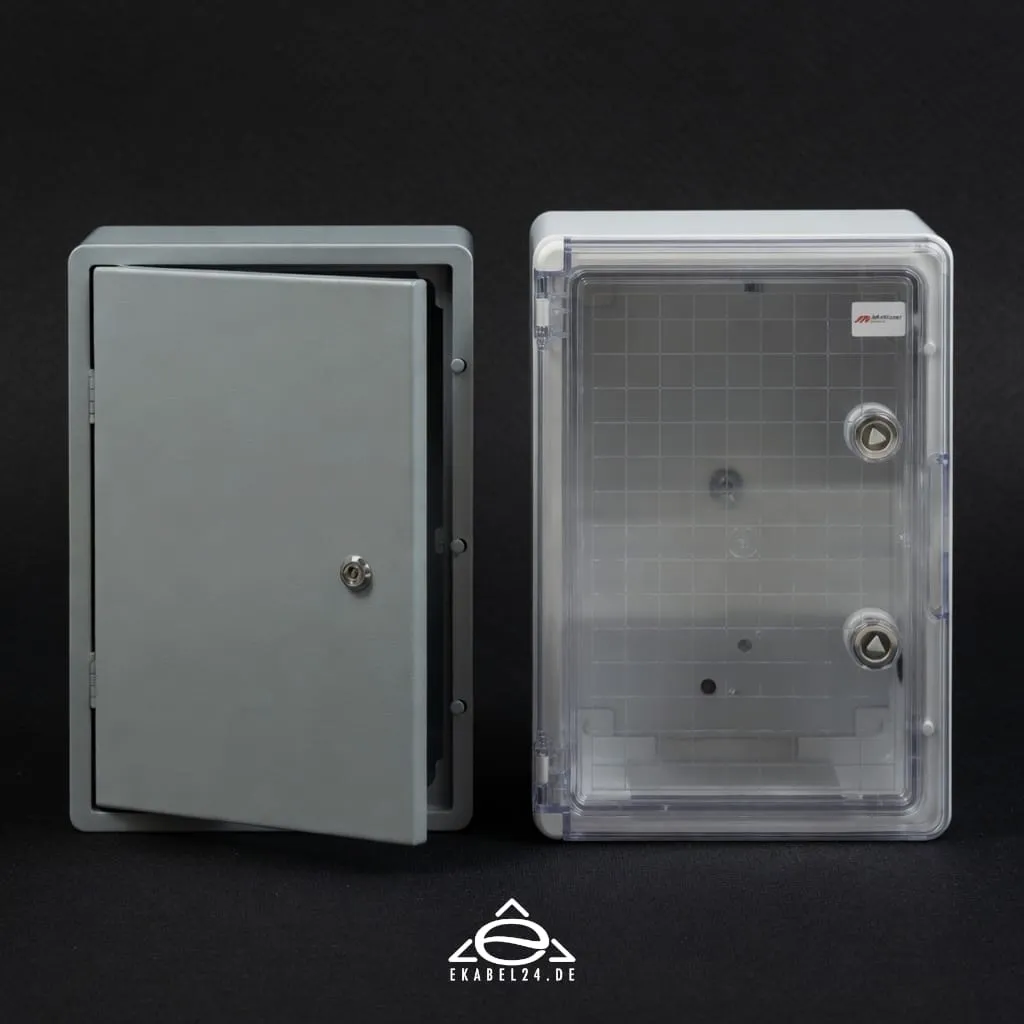
Distribution boxes and enclosures are essential for protecting electrical components from dust, moisture, mechanical damage, and unauthorized access. Choosing between a Sheet Steel Enclosure and a Plastic (ABS) Enclosure depends on the installation environment, mechanical requirements, and specific project needs. This comprehensive pillar article provides a detailed comparison to help electricians, installers, and planners make the right decision.
As a central resource for switch cabinets and empty enclosures, this guide covers material properties, protection ratings, real-world applications, and expert recommendations.
Sheet Steel Distribution Board – The Robust Classic
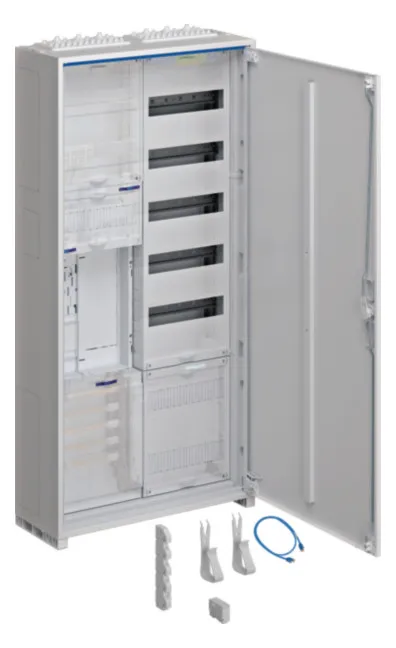
A Sheet Steel Distribution Board is made of high-quality powder-coated or galvanized steel (typically 1.2 mm thick) with a sturdy galvanized mounting plate (often 2 mm). These robust enclosures usually offer IP65 protection and high mechanical impact resistance (IK10).
They are ideal for industrial plants, machinery control, building technology, and areas with high mechanical stress. The RAL 7035 powder-coated finish provides excellent durability and corrosion resistance.
ABS Plastic Enclosure – The Lightweight All-Rounder
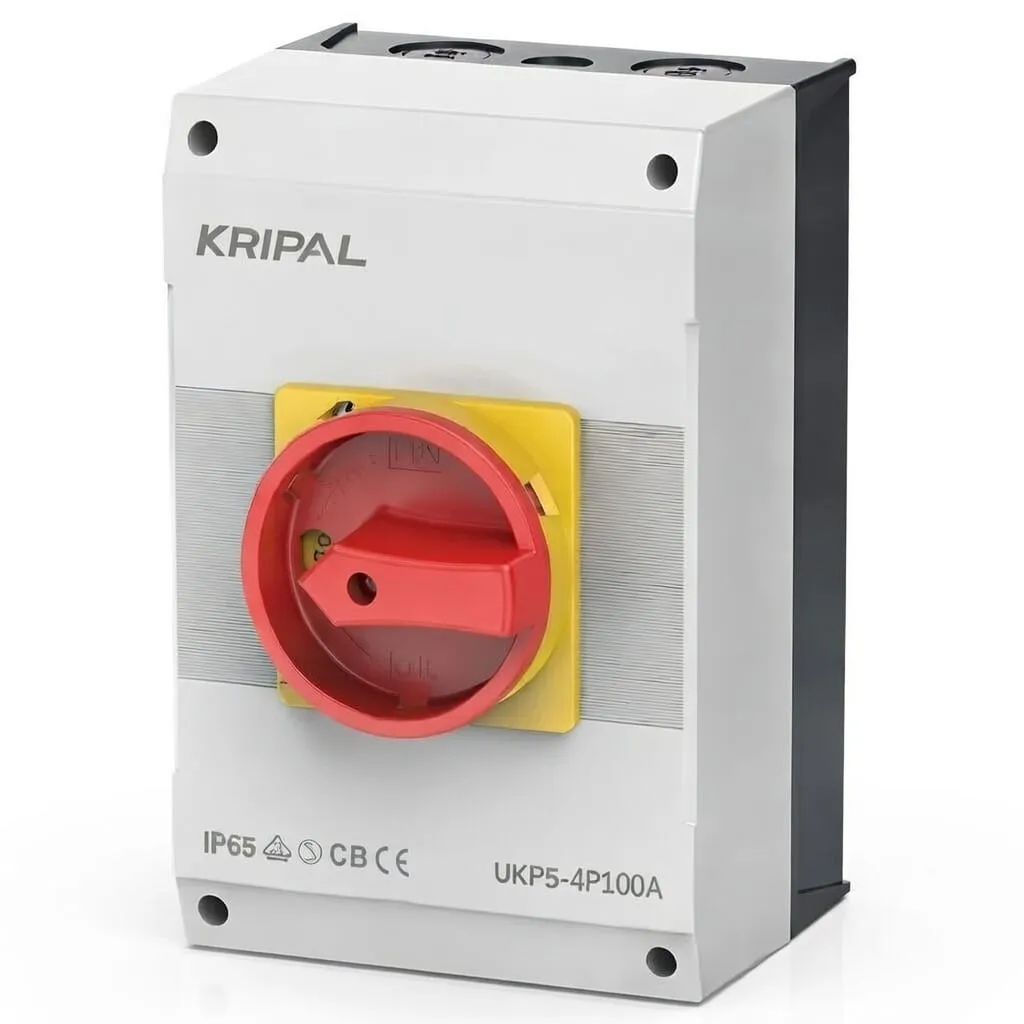
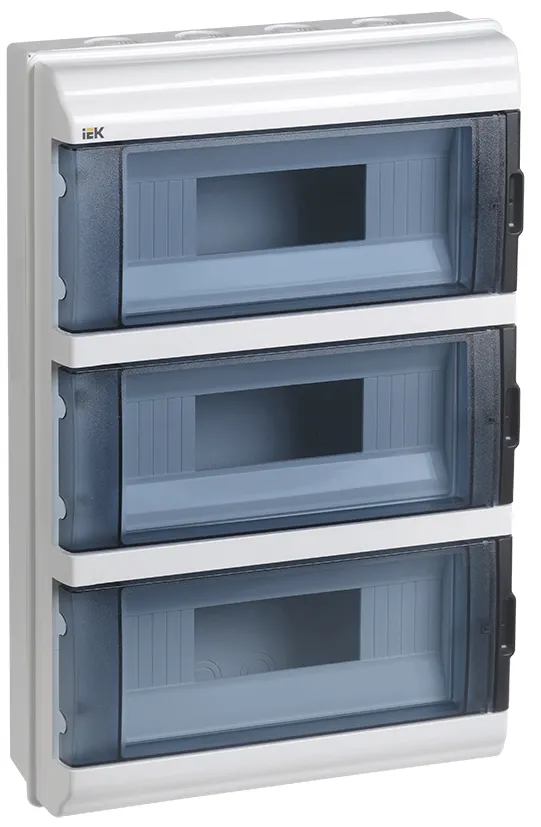
An ABS Plastic Enclosure is manufactured from impact-resistant, UV-stabilized ABS plastic. These lightweight, electrically insulating, and corrosion-free empty housings are perfect for damp areas, outdoor use, van conversions, and lighter industrial installations. Most models achieve IP65 protection and are easy to drill or modify.
Models with transparent doors allow quick visual inspection without opening the enclosure.
Detailed Comparison: Sheet Steel vs ABS Plastic Enclosures
| Criteria | Sheet Steel Enclosure | ABS Plastic Enclosure |
|---|---|---|
| Material & Construction | 1.2 mm sheet steel + galvanized mounting plate | Impact-resistant UV-stabilized ABS plastic |
| Weight | Heavy – maximum stability | Very light – easy handling and mounting |
| Corrosion Resistance | Good (with coating) | Excellent – completely rust-free and chemical-resistant |
| Mechanical Protection | Very high (IK10) | Good (impact-resistant, but lower than steel) |
| Electrical Properties | Conductive – grounding required | Insulating – no grounding needed |
| Heat Dissipation | Excellent | Good |
| Protection Rating | IP65 (standard) | IP65 (standard) |
| Ease of Modification | More difficult (requires tools) | Very easy to drill and expand |
| Typical Applications | Industry, machinery control, high-load areas | Outdoor, damp rooms, van conversion, mobile use |
Advantages and Disadvantages
Advantages of Sheet Steel Enclosures
- Highest mechanical strength and vandalism protection
- Good EMI/RFI shielding
- Excellent heat dissipation
- Ideal for heavy components and harsh industrial environments
Disadvantages of Sheet Steel Enclosures
- Heavier weight
- Requires proper grounding
- Needs corrosion protection in aggressive environments
Advantages of ABS Plastic Enclosures
- Lightweight and easy to install
- Completely corrosion-free and maintenance-free
- Electrically insulating
- UV-stable for outdoor use
- Easy to drill and customize
Disadvantages of ABS Plastic Enclosures
- Lower mechanical strength under extreme impact
- Reduced heat dissipation at very high loads
- Limited electromagnetic shielding
When to Choose Which Enclosure?
Choose a Sheet Steel Distribution Board when you need maximum robustness, high mechanical protection, or when installing heavy components in industrial or public areas.
Choose an ABS Plastic Enclosure for applications with moisture, corrosion risk, outdoor exposure, weight restrictions, or easy customization (e.g., van conversions, gardens, or chemical environments).
Related Categories at ekabel24
- All Sheet Steel Distribution Cabinets
- All ABS Plastic Enclosures
- Meter Cabinets
- Metering Panels
- Fuse Boxes & Distribution Boards
Frequently Asked Questions (FAQ)
Which is more robust — Sheet Steel or ABS Plastic?
Sheet steel offers superior mechanical strength and impact resistance. ABS plastic excels in corrosion resistance and lightweight applications.
Can ABS plastic enclosures be used outdoors?
Yes — most ABS models are UV-stabilized and IP65-rated, making them suitable for protected outdoor installations.
Do steel enclosures require grounding?
Yes, all metallic enclosures must be properly grounded. Plastic enclosures are naturally insulating and do not need additional grounding.
What protection rating is sufficient for most applications?
IP65 provides reliable protection against dust and water jets and covers the majority of indoor and outdoor uses.
Are plastic enclosures easy to modify?
Yes — ABS material can be easily drilled, milled, or fitted with cable glands.
Which material is better for van conversions or motorhomes?
ABS plastic is the preferred choice due to its low weight and corrosion resistance.
Conclusion
There is no universal winner: Sheet Steel Enclosures deliver maximum durability and stability for demanding industrial use. ABS Plastic Enclosures shine with lightness, corrosion resistance, and ease of installation.
Select the right material based on your specific project requirements — or combine both where needed. Browse the full range today and find the perfect enclosure for your installation.
Last updated: May 2026